America’s Manufacturing Revival: Is the Industrial Renaissance Finally Here?
The Return of American Manufacturing
For decades, U.S. manufacturing was associated with factory closures, offshore production, and declining industrial employment. Today, that narrative is beginning to change. A combination of government incentives, supply chain diversification, geopolitical tensions, and corporate investment is driving renewed interest in domestic manufacturing.
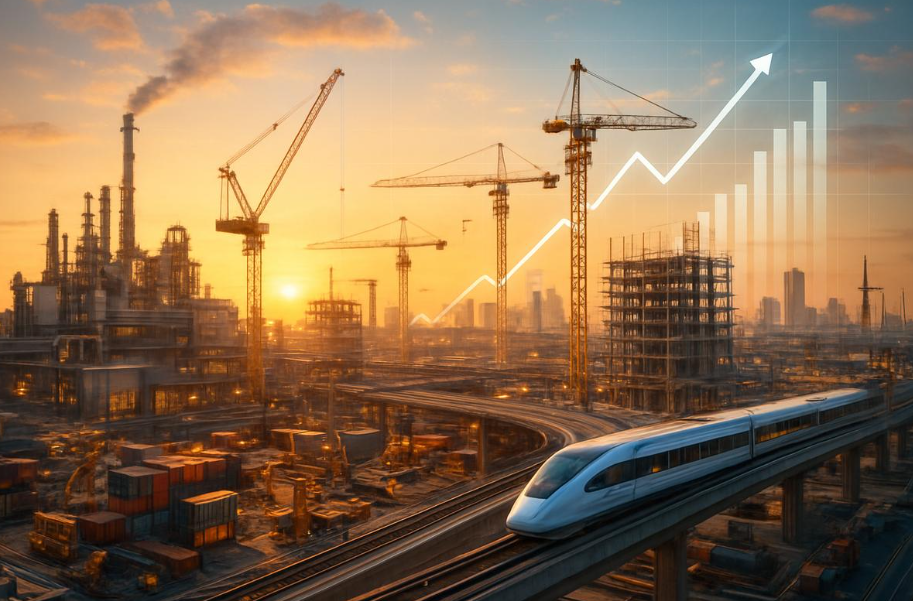
From semiconductor fabrication plants to electric vehicle production and advanced industrial facilities, billions of dollars are flowing into America’s manufacturing sector. While challenges remain, many economists believe the United States is entering the early stages of a new industrial renaissance.
Manufacturing Investment Is Accelerating
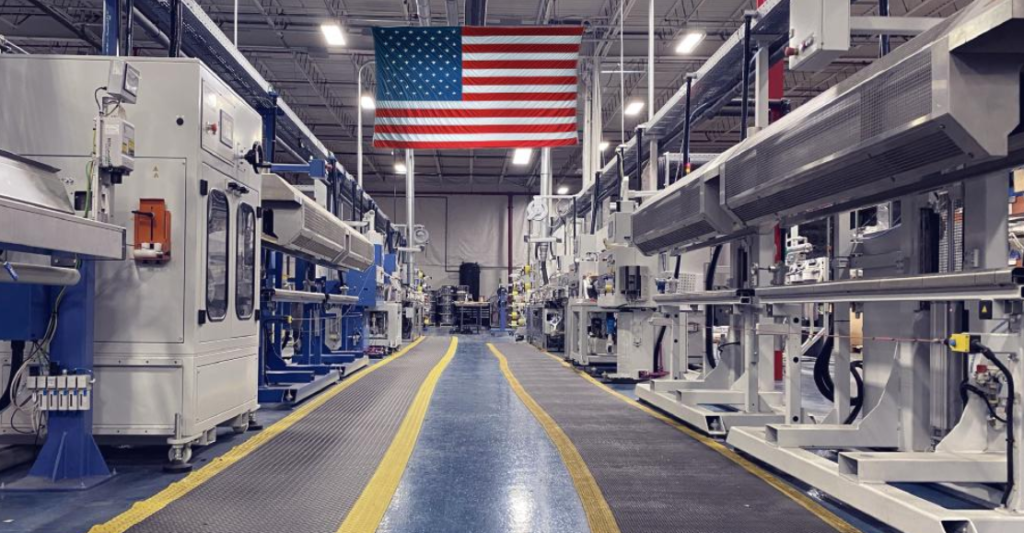
Manufacturing construction spending has reached record levels as companies invest in new production capacity across the country. Federal initiatives supporting domestic manufacturing, combined with private-sector capital expenditure, have encouraged businesses to expand operations closer to home.
Industries such as semiconductors, aerospace, pharmaceuticals, industrial machinery, and energy equipment are among the largest beneficiaries of this investment cycle.
Why Companies Are Bringing Production Back
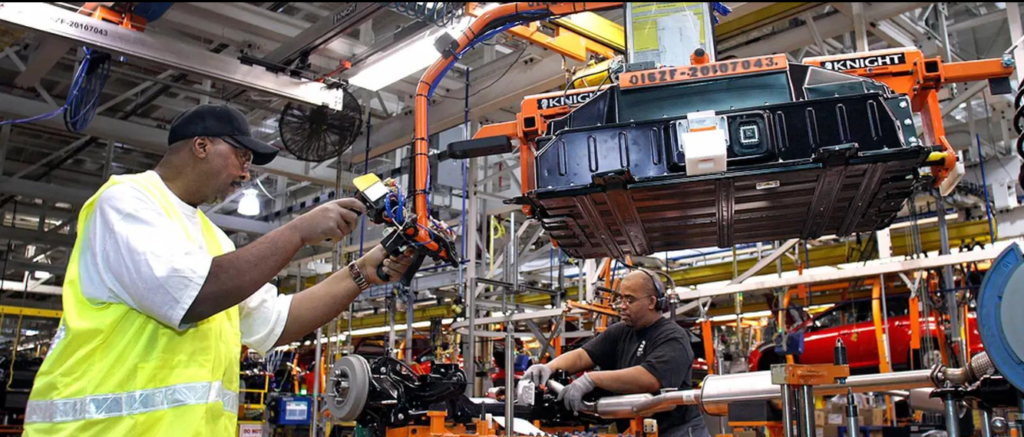
The COVID-19 pandemic exposed vulnerabilities in global supply chains, while rising geopolitical tensions increased concerns about dependence on overseas manufacturing.
As a result, many companies are pursuing reshoring and “friend-shoring” strategies to improve supply chain resilience, reduce transportation risks, and strengthen operational flexibility. Although domestic production often comes with higher labor costs, many businesses believe greater reliability offsets those expenses.
Government Policy Is Supporting Industrial Growth
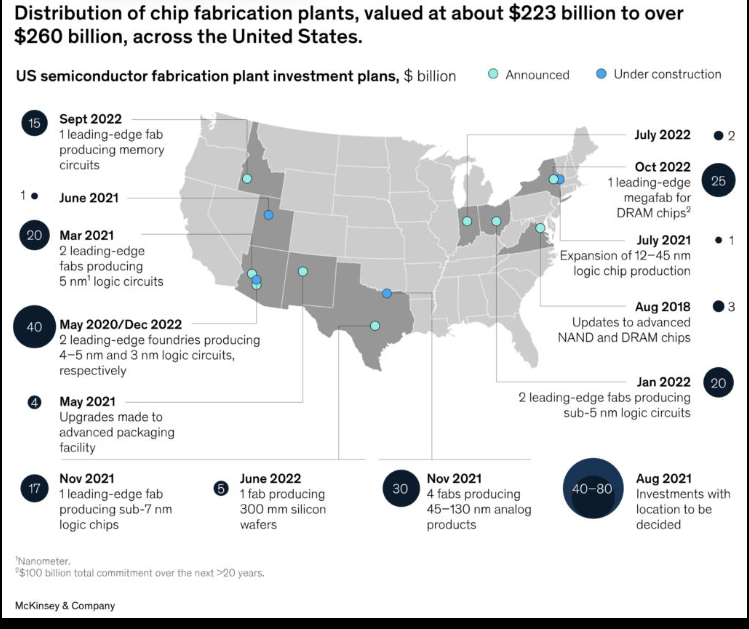
Federal legislation—including incentives for semiconductor manufacturing, clean energy production, and infrastructure modernization—has encouraged significant private investment.
These policies aim to strengthen America’s industrial base, improve national competitiveness, and reduce reliance on foreign suppliers for strategically important products.
Challenges Still Remain
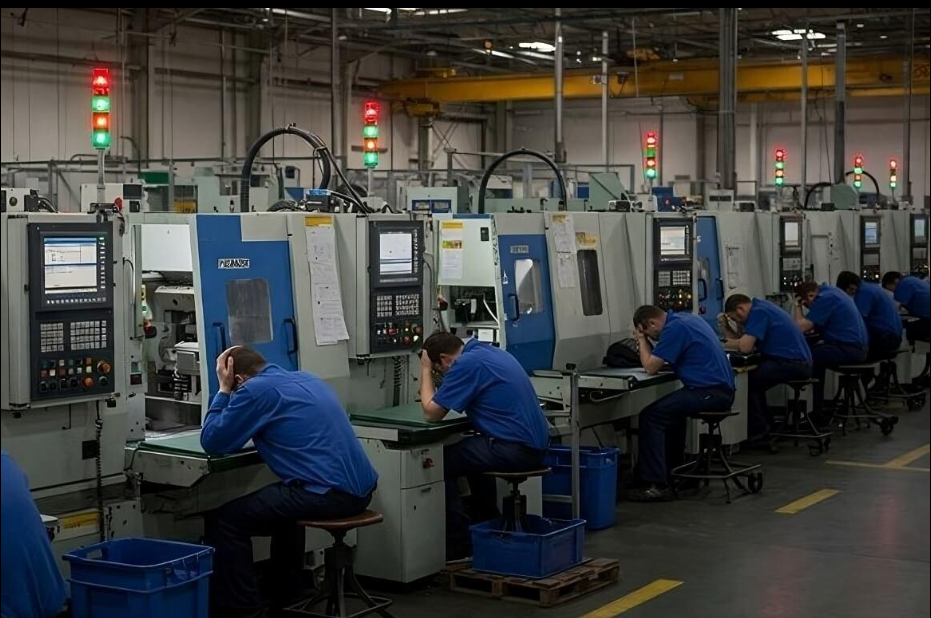
Despite strong momentum, several structural challenges remain. Manufacturers continue to face skilled labor shortages, rising construction costs, higher interest rates, and ongoing uncertainty surrounding global trade.
Automation and robotics are helping improve productivity, but workforce development and infrastructure modernization remain essential for sustaining long-term growth.
Investment Opportunities
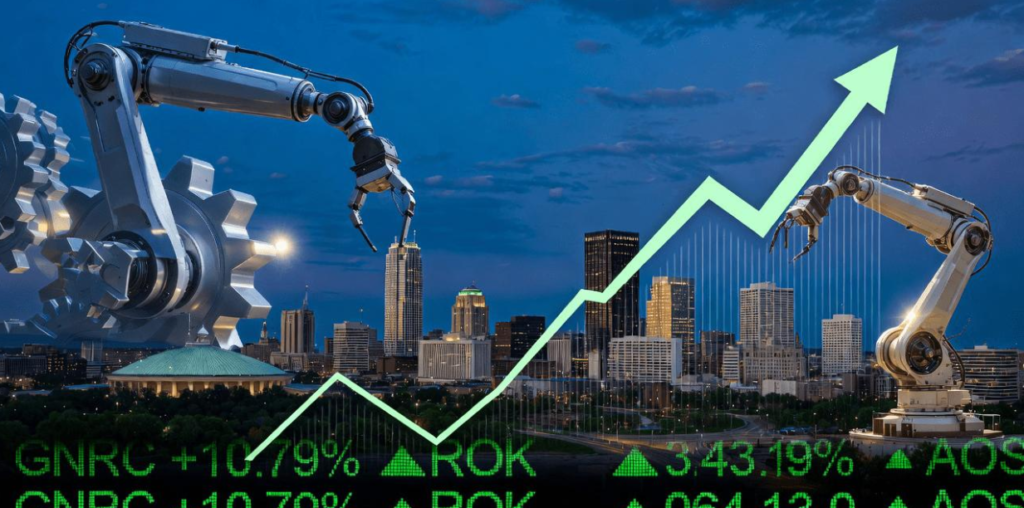
The manufacturing revival extends beyond factory operators. Industrial automation companies, engineering firms, construction equipment manufacturers, railroads, logistics providers, electrical equipment suppliers, industrial REITs, and materials producers may all benefit from rising capital expenditure and expanding domestic production. For investors, the industrial ecosystem offers opportunities well beyond traditional manufacturing businesses.
Outlook
America’s manufacturing revival represents more than a short-term economic trend—it reflects a structural shift in how businesses think about supply chains, national security, and long-term competitiveness.
While the transition will take years and execution risks remain, continued investment in domestic production could strengthen economic resilience, create skilled jobs, and support sustainable industrial growth.
If current investment trends continue, the United States may be entering one of its most significant manufacturing expansion cycles in decades.
Conclusion
The resurgence of American manufacturing signals a broader transformation of the U.S. economy. Rather than relying primarily on global supply chains, businesses are increasingly investing closer to home to improve resilience and support long-term growth.
For investors, this trend creates opportunities across industrials, infrastructure, logistics, construction, engineering, and advanced manufacturing. The industrial renaissance may still be in its early stages, but its long-term impact on economic growth and capital markets could be substantial.