Stagflation Signals: Is the Global Economy Entering a More Dangerous Phase?

Stagflation Signals: Is the Global Economy Entering a More Dangerous Phase?

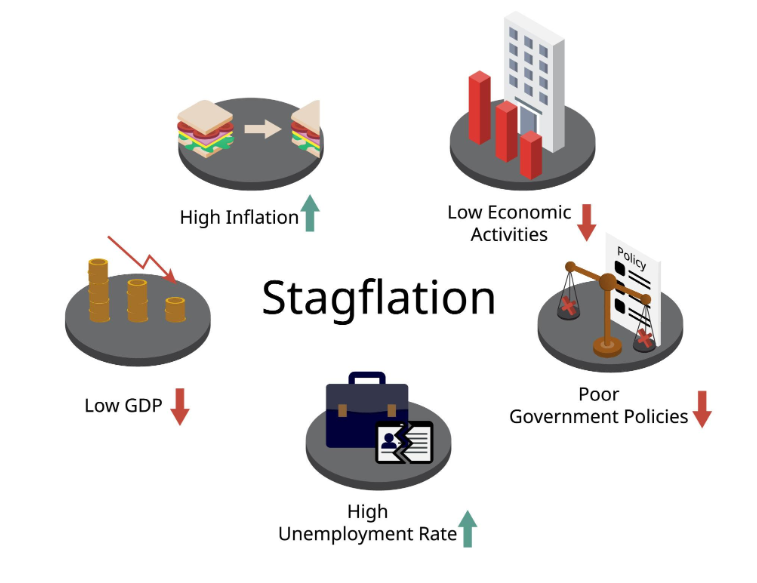
For much of the past year, financial markets remained focused on one dominant expectation: inflation would gradually decline, central banks would begin cutting interest rates, and global growth would stabilize. However, recent developments suggest that this outlook may be too optimistic. Rising energy prices, persistent inflationary pressures, and weakening growth indicators are reviving concerns about stagflation—a scenario markets have long feared but largely ignored.

Energy Transition vs Energy Reality: Why Oil Still Dominates

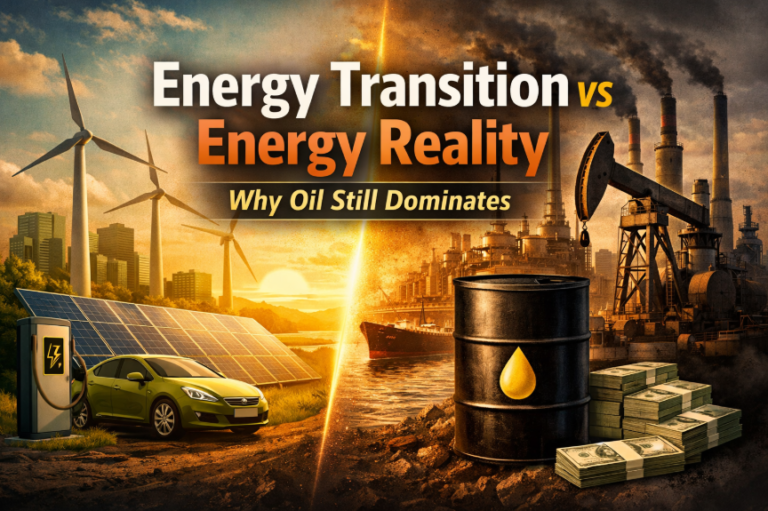
Energy Transition vs Energy Reality: Why Oil Still Dominates

The global push toward renewable energy has accelerated significantly over the past decade. Governments are investing heavily in solar, wind, electric vehicles, and decarbonization strategies aimed at reducing fossil fuel dependence. Yet despite this transition, oil remains one of the most dominant and strategically important commodities in the global economy.

Geopolitical Tensions Triggering Volatility in Financial Markets (2025 Analysis)

Geopolitical Tensions Triggering Volatility in Financial Markets (2025 Analysis)

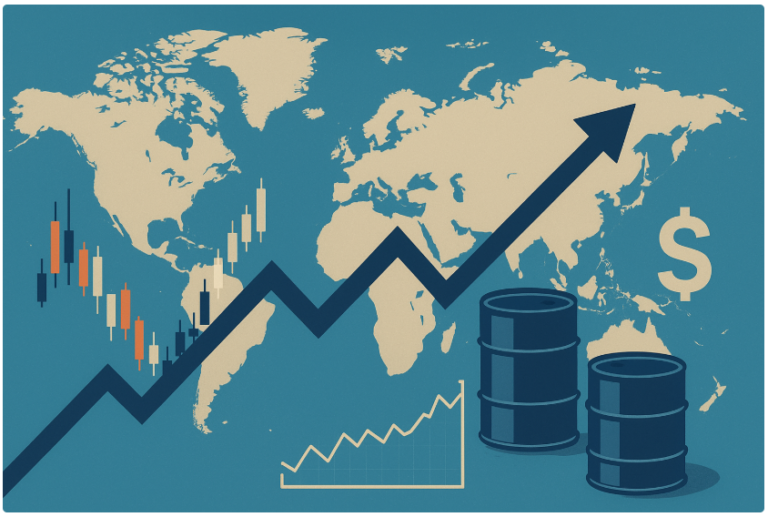
The year 2025 has seen geopolitical tensions emerge as a dominant driver of global financial market volatility, reshaping investment strategies and fueling inflationary pressures.
From the Ukraine conflict and Middle East hostilities to renewed U.S.–China trade frictions, investors are navigating one of the most unpredictable market environments of the decade.

Emerging Market vs Developed Market:The Trade-Off Between Emerging and Developed Markets

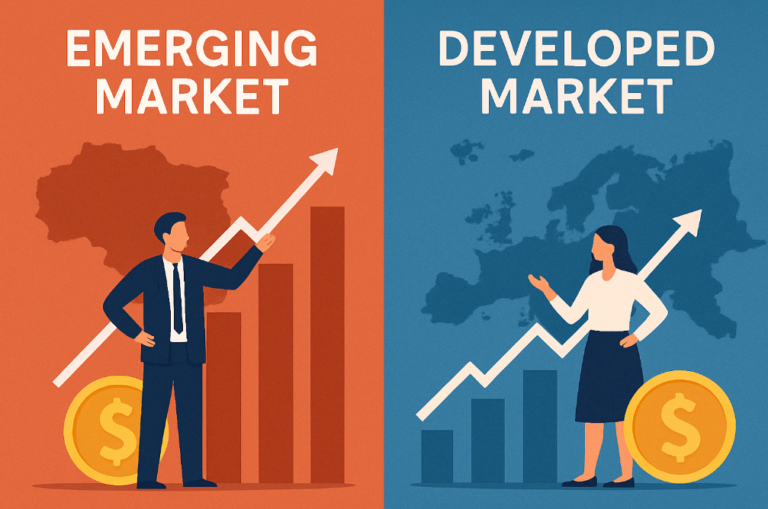
Emerging Market vs Developed Market:The Trade-Off Between Emerging and Developed Markets

dscape is broadly categorized into emerging markets and developed markets. While both offer unique opportunities, they are characterized by different economic structures, growth drivers, risk profiles, and investment potential. Understanding these distinctions is crucial for investors looking to diversify their portfolios and capitalize on global economic trends.