Bond Yields Above 5%: Is the U.S. Market Entering a New Risk Regime?

Bond Yields Above 5%: Is the U.S. Market Entering a New Risk Regime?

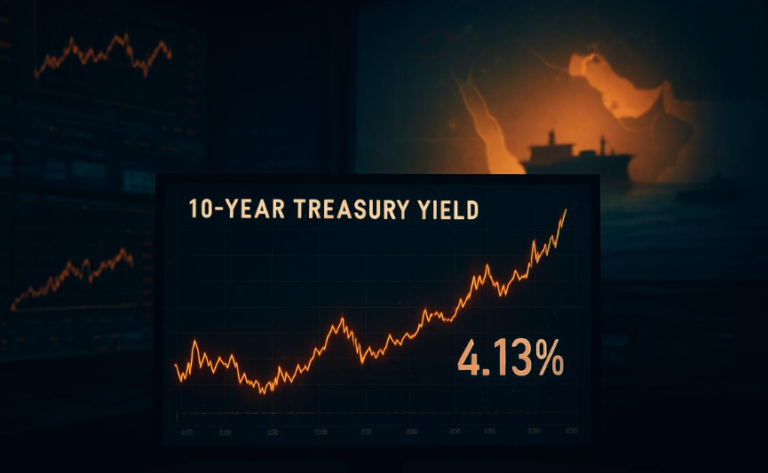
The rise in U.S. long-term bond yields above the 5% threshold marks a significant shift in the global financial landscape. For much of the past decade, markets operated in an environment defined by low interest rates and abundant liquidity. That regime supported higher equity valuations, cheap capital, and strong risk appetite. The recent move higher in yields suggests that this backdrop may be changing more structurally than previously assumed.

Commodities vs Central Banks: The Next Macro Battle

Commodities vs Central Banks: The Next Macro Battle

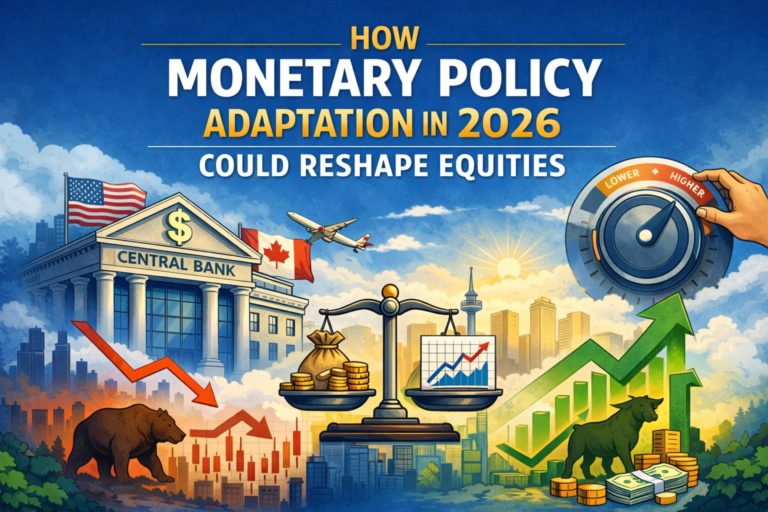
Global financial markets are entering a phase defined by an increasingly complex interaction between commodity price dynamics and central bank policy. While monetary authorities continue to focus on anchoring inflation through restrictive policy, rising prices in energy and key raw materials are reintroducing inflationary pressure into the system.

Stagflation Signals: Is the Global Economy Entering a More Dangerous Phase?

Stagflation Signals: Is the Global Economy Entering a More Dangerous Phase?

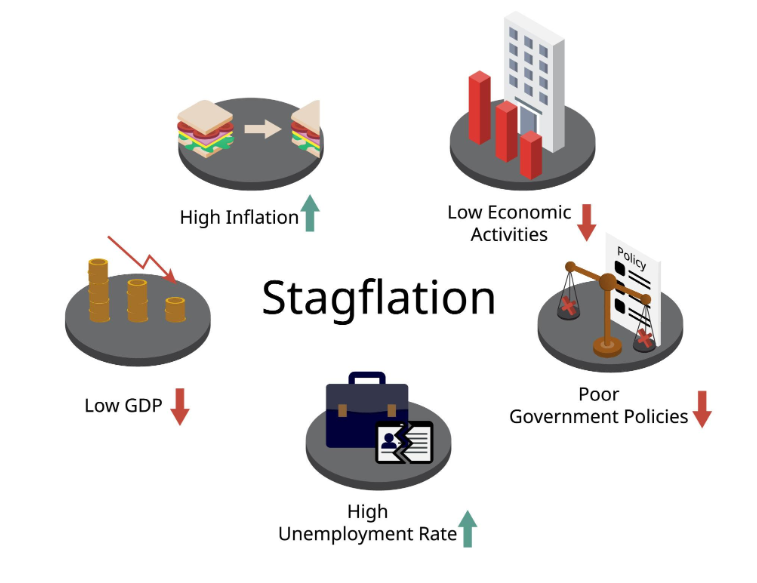
For much of the past year, financial markets remained focused on one dominant expectation: inflation would gradually decline, central banks would begin cutting interest rates, and global growth would stabilize. However, recent developments suggest that this outlook may be too optimistic. Rising energy prices, persistent inflationary pressures, and weakening growth indicators are reviving concerns about stagflation—a scenario markets have long feared but largely ignored.

Rising Living Costs in Canada — And How U.S. Economic Policy Is Intensifying the Pressure

Rising Living Costs in Canada — And How U.S. Economic Policy Is Intensifying the Pressure

Canada is entering a period where households feel increasingly squeezed, even though headline inflation appears to be moderating. The combination of lingering core inflation, a fragile economic backdrop, and shifting U.S. policies is creating a complex environment where everyday costs continue to climb faster than incomes. Understanding this landscape requires examining both domestic factors and the powerful spillover effects from the United States — Canada’s largest trading partner and the most influential external force on its economic conditions.

Impact of Federal Reserve Rate Cuts on Stock Markets

Impact of Federal Reserve Rate Cuts on Stock Markets

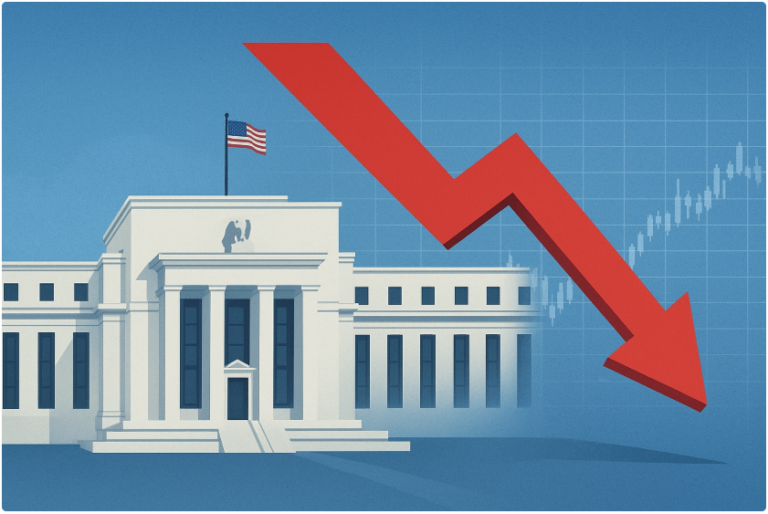
The Federal Reserve’s recent interest rate cut of 0.25% in October 2025 has reignited discussions on the relationship between monetary policy and stock market performance. Investors, analysts, and economists are closely evaluating how the Fed’s interest rate decisions will shape U.S. economic growth, inflation trends, and global financial markets heading into 2026.