The Hidden Cost of AI: Power, Data Centers, and Infrastructure Constraints
AI’s Rapid Growth Comes at a Cost
Artificial intelligence is transforming industries at an unprecedented pace, driving billions of dollars in investment across semiconductors, cloud computing, and software. While much of the market’s attention is focused on AI applications, a less visible challenge is emerging: the enormous infrastructure required to support this technological revolution.
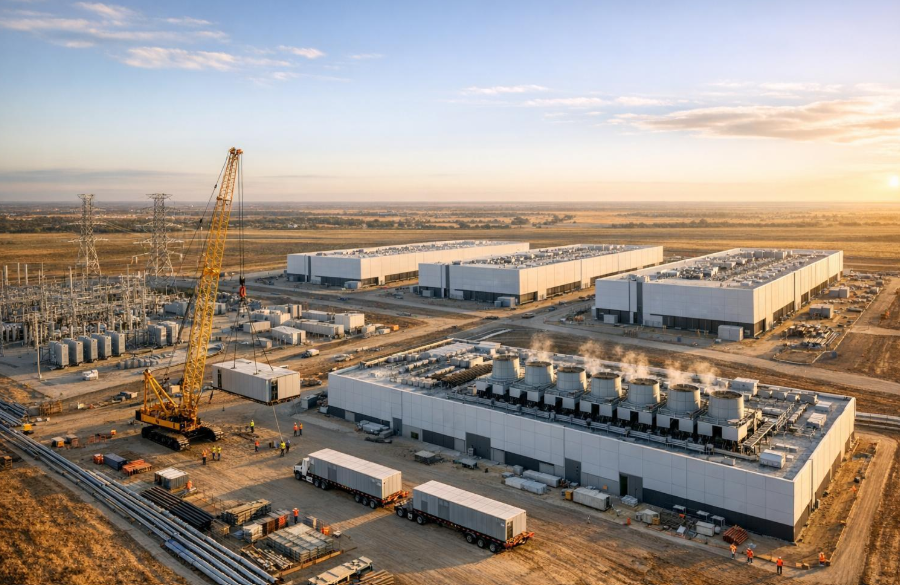
Behind every AI model lies a network of data centers, advanced chips, power grids, and cooling systems that demand unprecedented levels of capital and energy.
Why Are Data Centers Becoming So Important?
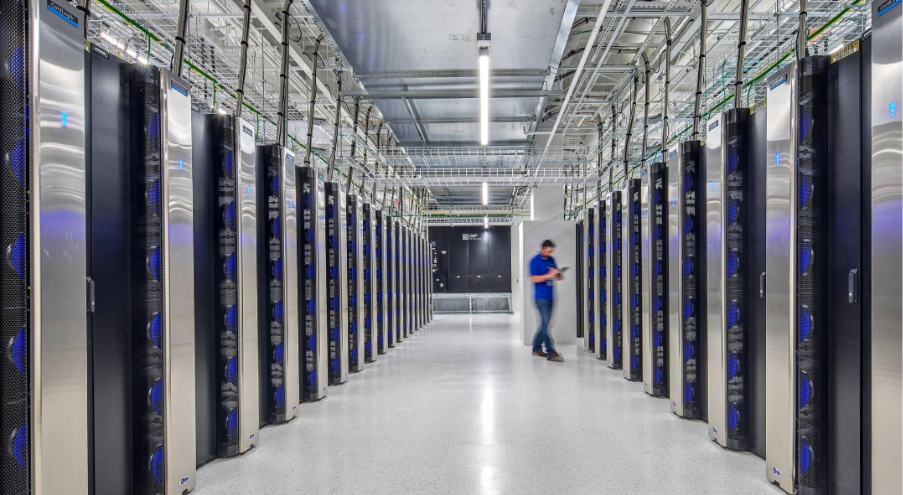
Modern AI models require immense computing power to train and operate. As businesses accelerate AI adoption, demand for high-performance data centers has surged, leading technology companies to invest hundreds of billions of dollars in expanding digital infrastructure.
These facilities have become the backbone of the AI economy, enabling everything from cloud services to large language models and enterprise AI applications.
The Power Challenge
The rapid expansion of AI infrastructure is placing increasing pressure on electricity demand.
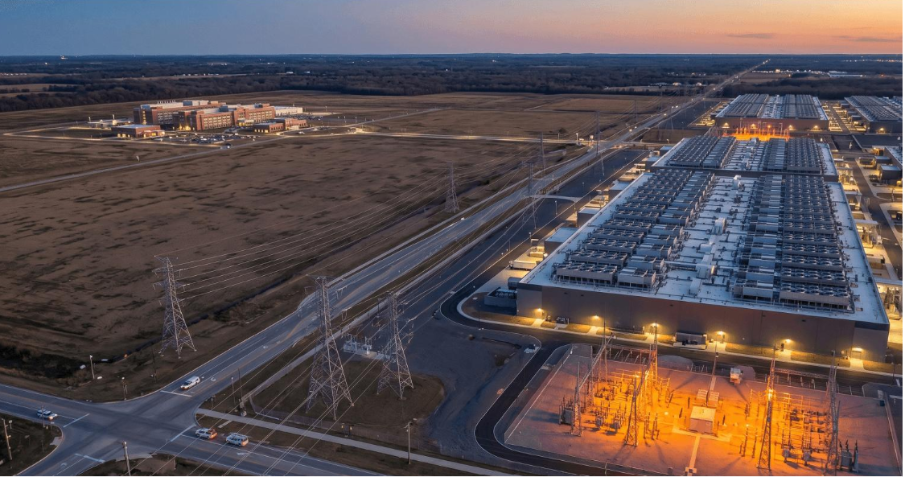
Training advanced AI models and operating large-scale data centers consume vast amounts of energy, forcing utilities to expand generation capacity while governments face growing challenges in modernizing aging power grids. In several regions, electricity availability is becoming a key factor in determining where new data centers can be built.
As AI adoption accelerates, reliable and affordable energy is becoming as important as computing power itself.
Infrastructure Is the Real Bottleneck
Beyond electricity, the AI ecosystem depends on a complex supply chain that includes semiconductor manufacturing, networking equipment, cooling technologies, and specialized construction.
Building new data centers requires significant investment, long development timelines, and access to skilled labor. These constraints mean infrastructure expansion may struggle to keep pace with the explosive growth in AI demand.
For investors, this highlights an important reality: the success of AI depends not only on software innovation but also on the physical infrastructure supporting it.
Investment Opportunities Beyond Software
While AI software companies attract much of the market’s attention, infrastructure providers may become some of the largest long-term beneficiaries.
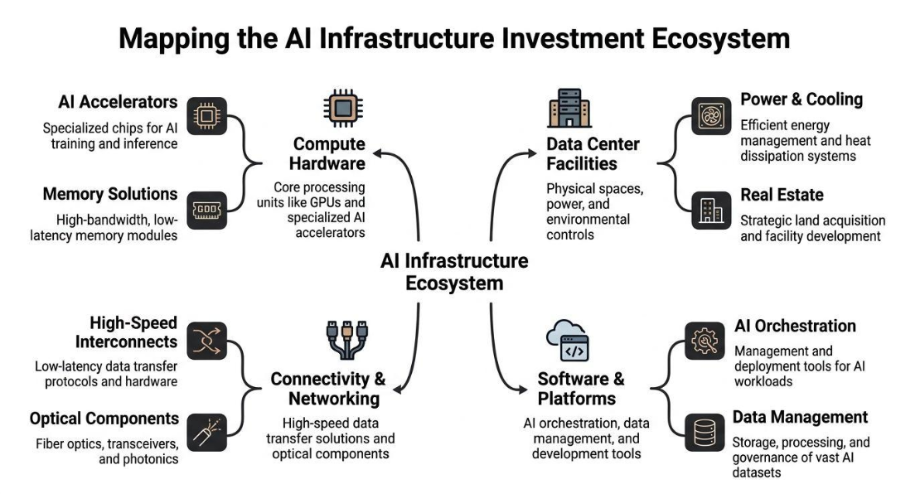
Businesses involved in semiconductor production, electrical equipment, grid modernization, industrial automation, cooling systems, and data center construction are positioned to benefit from sustained investment as demand for AI computing continues to grow.
The AI investment cycle extends far beyond technology companies—it encompasses the industries that make AI deployment possible.
Risks Investors Should Consider
Despite strong long-term prospects, infrastructure limitations could slow AI adoption if power shortages, supply chain disruptions, or construction delays become more widespread.
At the same time, rising capital expenditure places pressure on technology companies to generate sufficient returns from their AI investments. If spending continues to outpace monetization, investors may reassess growth expectations and company valuations.
Conclusion
Artificial intelligence is reshaping the global economy, but its future will depend as much on physical infrastructure as on technological innovation.
Power generation, data centers, semiconductor supply chains, and digital infrastructure are becoming strategic assets in the AI era. Companies capable of supporting this expanding ecosystem may prove to be some of the most resilient long-term investment opportunities.
As the AI revolution continues, the real competitive advantage may not belong solely to those building intelligent software—but also to those powering it.