
Artificial Intelligence Stocks: Are Valuations Running Too High?
AI Has Become the Market’s Biggest Growth Story
Artificial intelligence has transformed from a technological innovation into one of the most influential investment themes in global markets. Companies involved in semiconductors, cloud computing, software, and data infrastructure have experienced remarkable gains as investors anticipate decades of AI-driven growth.
The optimism has fueled a significant re-rating of technology stocks, making AI one of the primary drivers of equity market performance in 2026.
Why Investors Are Paying Premium Valuations
Markets are pricing AI companies based on their future earnings potential rather than their current financial performance.
Businesses developing AI chips, cloud platforms, and enterprise software are expected to benefit from increasing demand as companies worldwide invest heavily in digital transformation. Investors believe AI could improve productivity, lower operating costs, and unlock entirely new revenue opportunities across multiple industries.
This long-term growth narrative has justified premium valuations for many market leaders.

When Expectations Become Too High
While AI’s long-term potential remains compelling, valuations have risen much faster than earnings for many companies.
Several AI-related firms are trading at historically high valuation multiples, reflecting expectations of sustained revenue growth and expanding profit margins. The challenge is that even strong businesses may struggle to meet the ambitious assumptions already reflected in their share prices.
When expectations become elevated, even minor earnings disappointments can trigger significant market volatility.

The Infrastructure Investment Boom
The AI revolution extends far beyond software. Massive investments in semiconductors, cloud computing, data centers, networking equipment, and electricity infrastructure are creating one of the largest capital expenditure cycles in recent history.
While this investment supports long-term growth, it also raises an important question: will future revenues be sufficient to justify today’s spending? Investors will increasingly focus on the return generated from these investments rather than the investment itself.
Economic Reality Still Matters
AI companies continue to operate within the broader economic environment.
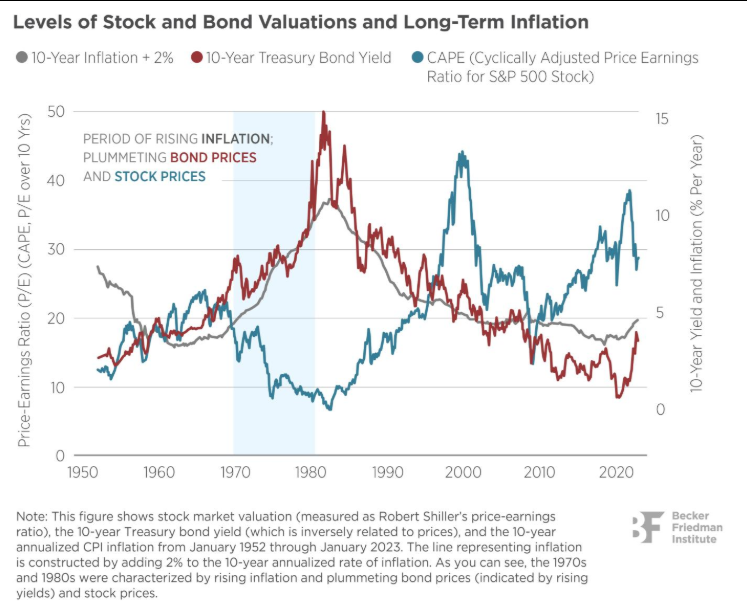
Higher interest rates, slowing global growth, and persistent inflation create challenges for corporate investment and consumer demand. Although AI remains a powerful long-term trend, macroeconomic conditions can influence adoption rates, earnings growth, and investor sentiment.
Technology leadership alone cannot fully insulate companies from broader economic cycles.
Identifying the Long-Term Winners
The strongest AI investments are unlikely to be determined solely by innovation. Long-term winners will likely combine technological leadership with sustainable earnings, strong cash flow, disciplined capital allocation, and durable competitive advantages.
Companies capable of consistently converting AI investment into profitable growth are more likely to justify premium valuations over time.

Conclusion
Artificial intelligence is expected to reshape industries and drive productivity for years to come, making it one of the most important investment opportunities of this generation.
However, successful investing requires distinguishing between exceptional businesses and excessive market optimism. The future of AI remains exceptionally promising, but current valuations leave little room for disappointment.
For investors, the key question is no longer whether AI will transform the global economy—but whether today’s stock prices already reflect too much of tomorrow’s success.