The Treasury Buyback Experiment: Can the U.S. Government Really Lower Borrowing Costs?
Introduction
The U.S. Treasury has taken an unusual step to address rising long-term borrowing costs: buying back outstanding Treasury bonds.
The move comes as long-term yields have risen sharply, with the 30-year Treasury yield recently reaching levels not seen since 2007. On August 19, the Treasury announced that it would double the size of certain long-duration buybacks to at least $4 billion per operation, beginning September 9.
The objective is to improve liquidity in older Treasury securities and potentially ease pressure in the long end of the bond market.
But there is a bigger question for investors:
Can Treasury buybacks actually lower America’s borrowing costs—or are they only a temporary solution?
What Is a Treasury Buyback?
A Treasury buyback is essentially the government repurchasing previously issued Treasury securities before they mature.
Instead of simply issuing new debt, Treasury can buy older securities from investors and improve liquidity in parts of the Treasury market.
The current program has been operating for the past two years, primarily as a liquidity-support and cash-management tool, rather than as a traditional attempt to reduce the government’s overall debt burden. Treasury’s August 2026 schedule includes buybacks across several maturity ranges.
Why Is Treasury Doing This Now?

The timing is important.
The 30-year Treasury yield recently climbed to around 5.34%, its highest level since 2007, before falling following the Treasury’s announcement.
Higher long-term yields create problems beyond the government’s financing costs. They also influence:
- Mortgage rates
- Corporate borrowing costs
- Infrastructure financing
- Equity valuations
- Consumer credit
Treasury therefore has an incentive to prevent disorderly conditions in the long-term bond market.
The Scale Problem
This is where the strategy faces its biggest challenge.
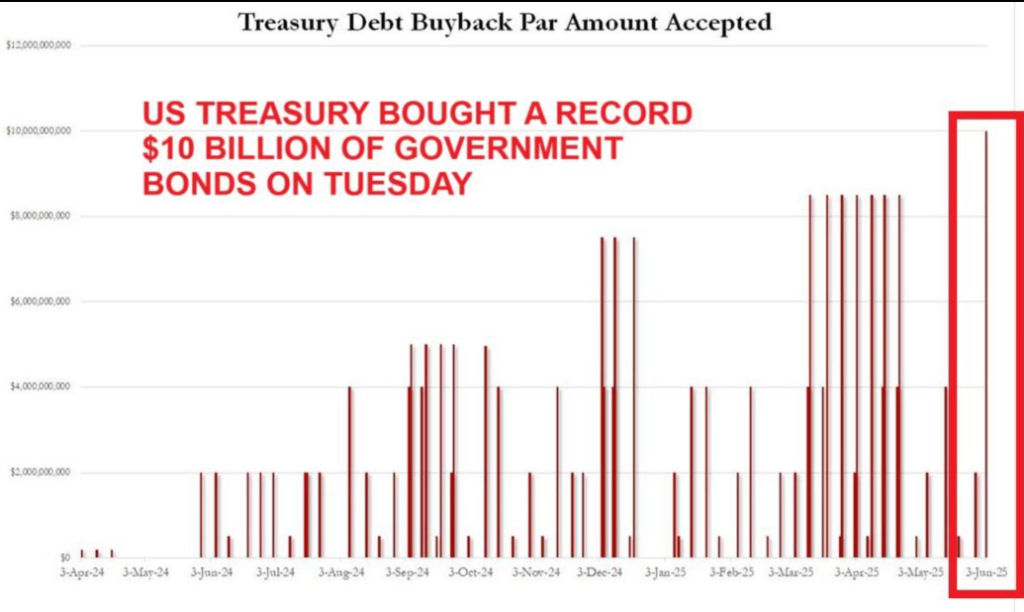
The Treasury market is enormous. Outstanding Treasury debt was approximately $32.2 trillion, according to Reuters reporting, while the government debt total has moved beyond the $40 trillion mark.
Against that backdrop, a $4 billion buyback operation is relatively small.
Treasury’s August–November schedule allows for substantial purchases across maturities, but the program remains tiny compared with the overall debt market.
This raises an important distinction:
Treasury can influence market liquidity more easily than it can solve the government’s structural borrowing problem.
Can Buybacks Actually Lower Borrowing Costs?
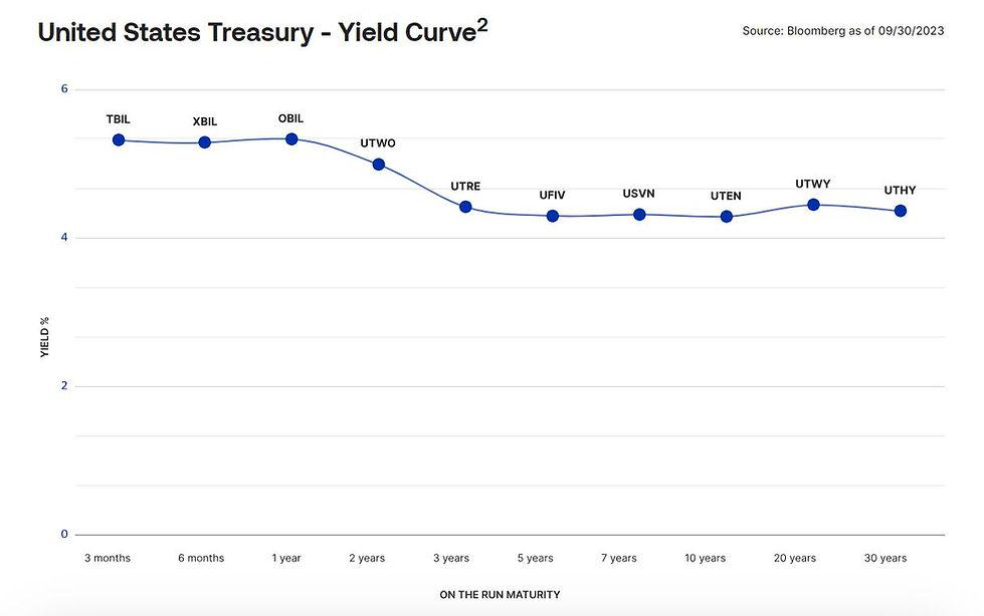
Potentially—but only to a limited extent.
Buybacks can increase demand for selected older bonds and improve market liquidity. If successful, this could reduce volatility and temporarily put downward pressure on yields.
But long-term Treasury yields depend on much more than Treasury’s own buying activity.
Investors also consider:
- Inflation expectations
- Federal budget deficits
- Treasury issuance
- Economic growth
- Federal Reserve policy
- Foreign demand for U.S. debt
- Expectations for future interest rates
That is why recent market reaction has been cautious. Yields initially declined after the announcement but subsequently moved higher again, suggesting investors remain focused on the broader fiscal and inflation picture.
The Bigger Problem: Supply of Debt
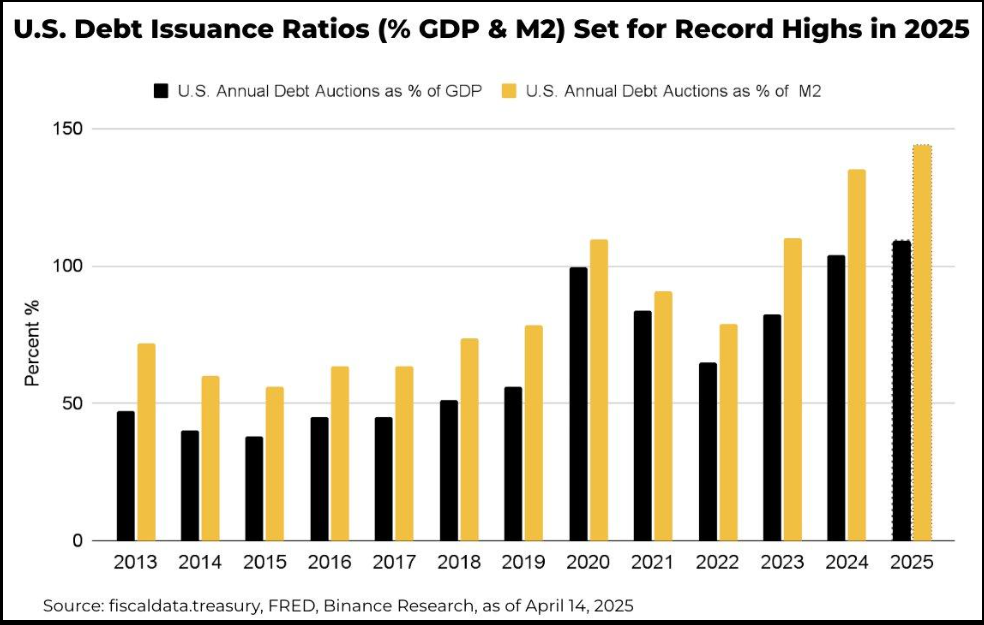
The Treasury is trying to support demand and liquidity in a market where the government continues to issue enormous quantities of debt.
That creates a fundamental tension.
Buying bonds can support the market, but issuing more bonds increases supply.
If investors demand higher yields to absorb growing Treasury issuance, buybacks alone may not be powerful enough to reverse the trend.
This is why the long-term solution ultimately depends on fiscal policy, economic growth, inflation, and investor confidence.
A “Treasury Twist”?
The current strategy has another interesting dimension.
Treasury Secretary Scott Bessent has indicated that the government could use its broader toolkit to influence the structure of Treasury issuance, including greater reliance on shorter-term Treasury bills while buying longer-duration securities.
This can potentially change the maturity composition of government borrowing.
But it does not eliminate the underlying debt.
It is better understood as debt-management optimization rather than debt reduction.
What Does This Mean for Investors?

For investors, the Treasury’s actions are worth watching because the long-term bond market influences almost every major asset class.
If Treasury succeeds in stabilizing long-term yields, it could provide some relief for:
Equities: Lower bond yields can support stock valuations.
Housing: Lower Treasury yields can eventually help reduce mortgage financing costs.
Corporate debt: Businesses could face lower borrowing costs.
Bonds: Reduced volatility could improve conditions for fixed-income investors.
However, if inflation and fiscal concerns remain dominant, the effect of buybacks could remain limited.
The Real Test
The Treasury buyback program should therefore not be judged simply by whether the 10-year or 30-year yield falls immediately.
The more important questions are:
- Does Treasury market liquidity improve?
- Do long-term yields stabilize?
- Does demand for U.S. debt remain strong?
- Can fiscal deficits be reduced?
- Does inflation continue moving lower?
If the answer to the last two questions is no, Treasury buybacks may only provide temporary relief.
Conclusion
The Treasury’s expanded buyback program is an important development in U.S. debt management—but it should not be confused with a solution to America’s fiscal problem.
The program can improve liquidity and potentially reduce volatility in the Treasury market. But the scale of government debt, persistent deficits, inflation risks, and rising interest costs are much larger forces.
The recent rebound in long-term yields after the initial buyback announcement is an important warning: markets may be willing to accept technical intervention, but they ultimately want to see sustainable fiscal fundamentals.
For investors, the Treasury experiment is therefore less about whether the government can “control” bond yields—and more about whether policymakers can restore confidence in the long-term trajectory of U.S. finances.