Can Canada Diversify Beyond Housing and Natural Resources?
Canada’s Growth Model Faces a Turning Point
For decades, Canada’s economy has been supported by two powerful pillars: housing and natural resources. Residential real estate has fueled household wealth and consumer spending, while industries such as oil, natural gas, mining, and forestry have remained major contributors to exports and economic growth.
While these sectors continue to play an essential role, growing concerns over slowing productivity, high household debt, and volatile commodity prices have intensified discussions about whether Canada needs a more diversified economic model.
The Challenge of Economic Concentration
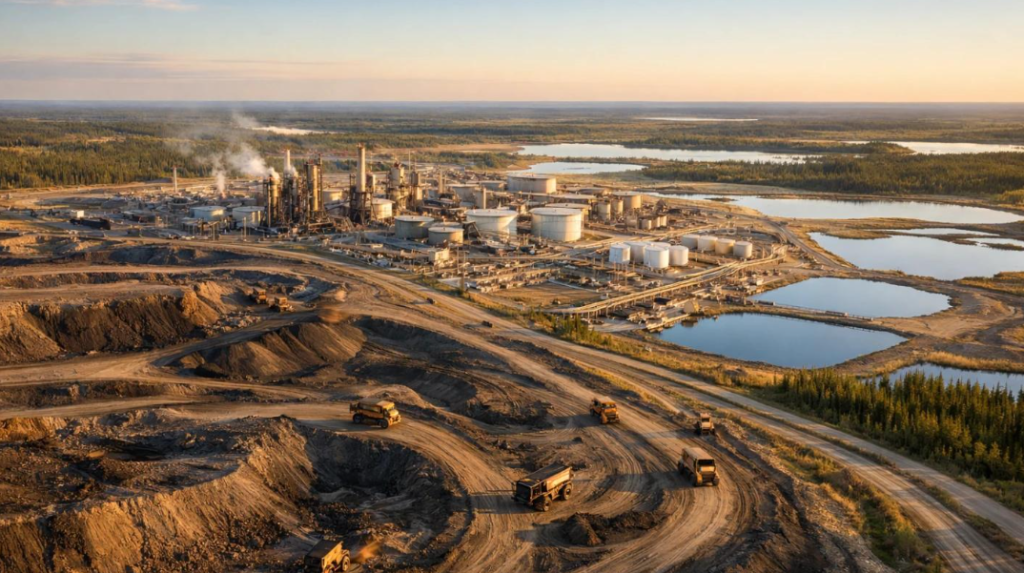
Housing-related activity represents a significant share of Canada’s economy, while commodities account for a large portion of export revenues. This concentration leaves the country more exposed to housing market corrections, fluctuations in global energy prices, and changing international demand. A more diversified economy could improve resilience and reduce dependence on a limited number of growth drivers.
New Growth Opportunities Are Emerging
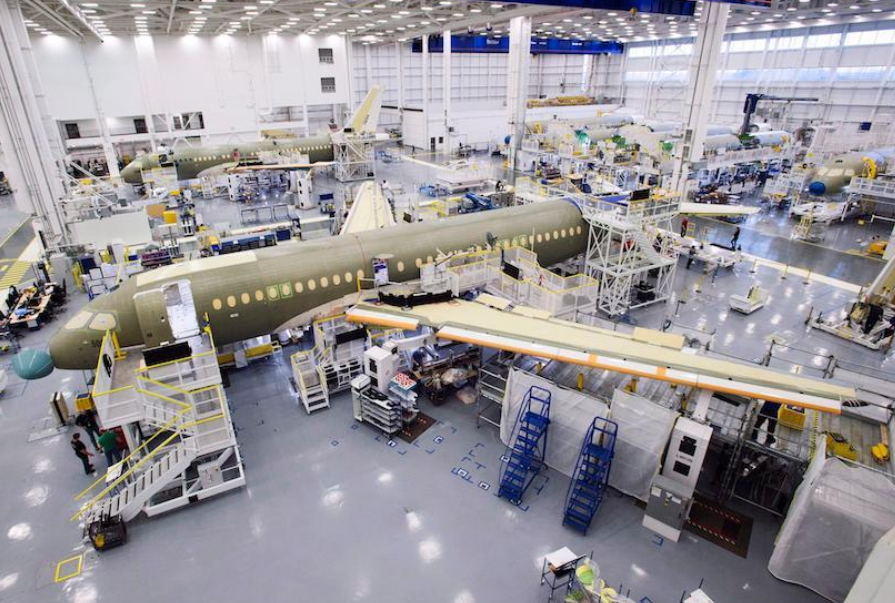
Canada is gradually expanding into industries beyond housing and resource extraction. Advanced manufacturing, aerospace, life sciences, clean technology, financial services, and digital innovation are attracting increased investment. At the same time, government initiatives supporting industrial development and strategic manufacturing are encouraging companies to expand domestic production. These sectors have the potential to generate higher-value jobs while improving long-term productivity.
Trade Can Drive the Next Phase of Growth
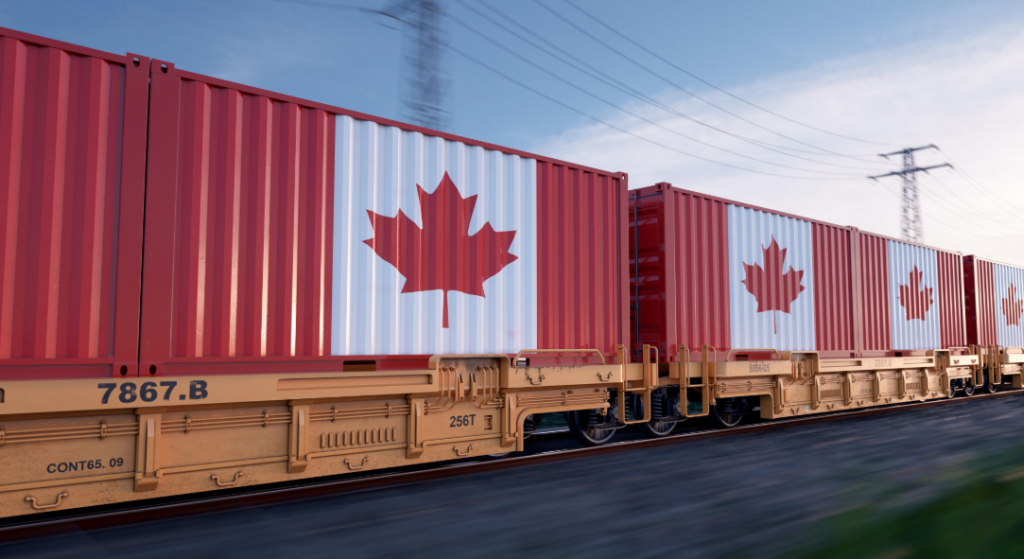
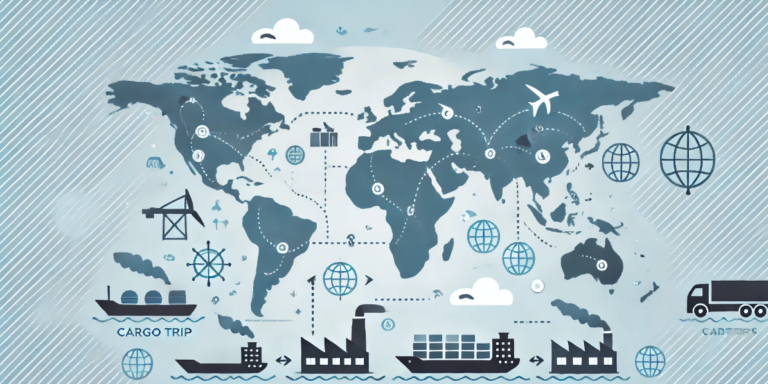
Canada benefits from trade agreements that provide access to major global markets, including the United States, Europe, and parts of the Asia-Pacific region. As businesses continue to diversify supply chains, Canada has opportunities to strengthen its position in manufacturing, logistics, food production, and value-added exports. Expanding trade beyond raw commodities could improve export stability and support long-term economic growth.
Productivity Remains the Biggest Challenge
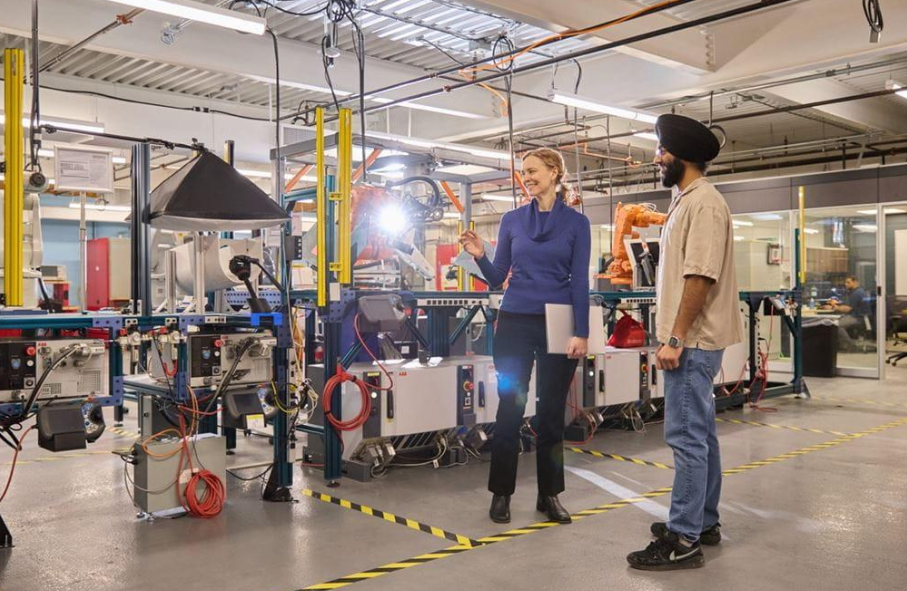
One of Canada’s most significant economic challenges is weak productivity growth. Economists have frequently highlighted that productivity gains have lagged those of several peer economies. Addressing this issue will require greater business investment, workforce development, infrastructure improvements, and continued innovation across multiple industries. Higher productivity is essential for improving wages, competitiveness, and living standards over the long term.
What It Means for Investors
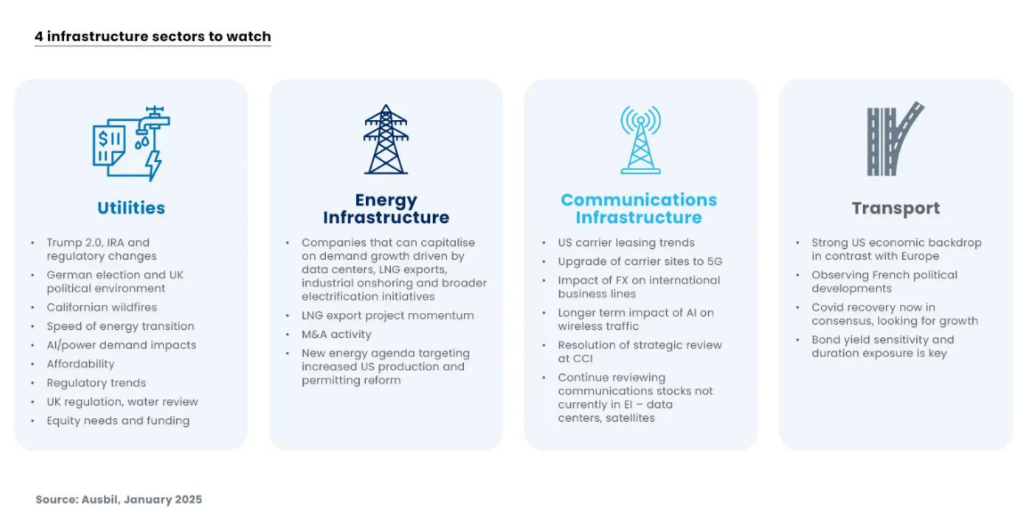
If Canada’s economy becomes more diversified, investment opportunities may expand beyond traditional banks, energy producers, and mining companies. Industrials, transportation, infrastructure, utilities, engineering, aerospace, healthcare, advanced manufacturing, and export-oriented businesses could benefit from a broader economic transformation. For investors, diversification within the Canadian economy may create new long-term growth opportunities while reducing reliance on cyclical sectors.
Outlook
Canada’s natural resources and housing market are likely to remain important pillars of the economy for years to come. However, future growth will increasingly depend on improving productivity, encouraging business investment, expanding manufacturing, and strengthening globally competitive industries. The transition will not happen overnight, but broadening the country’s economic base could enhance resilience in an increasingly uncertain global environment.
Conclusion
Canada possesses many of the advantages needed to diversify its economy, including abundant natural resources, a skilled workforce, stable financial institutions, and strong access to international markets.
The key challenge is not replacing housing or natural resources, but complementing them with stronger industrial, manufacturing, technology, healthcare, and export-driven sectors. If Canada succeeds in broadening its sources of economic growth, it could build a more productive, competitive, and resilient economy for the decades ahead.